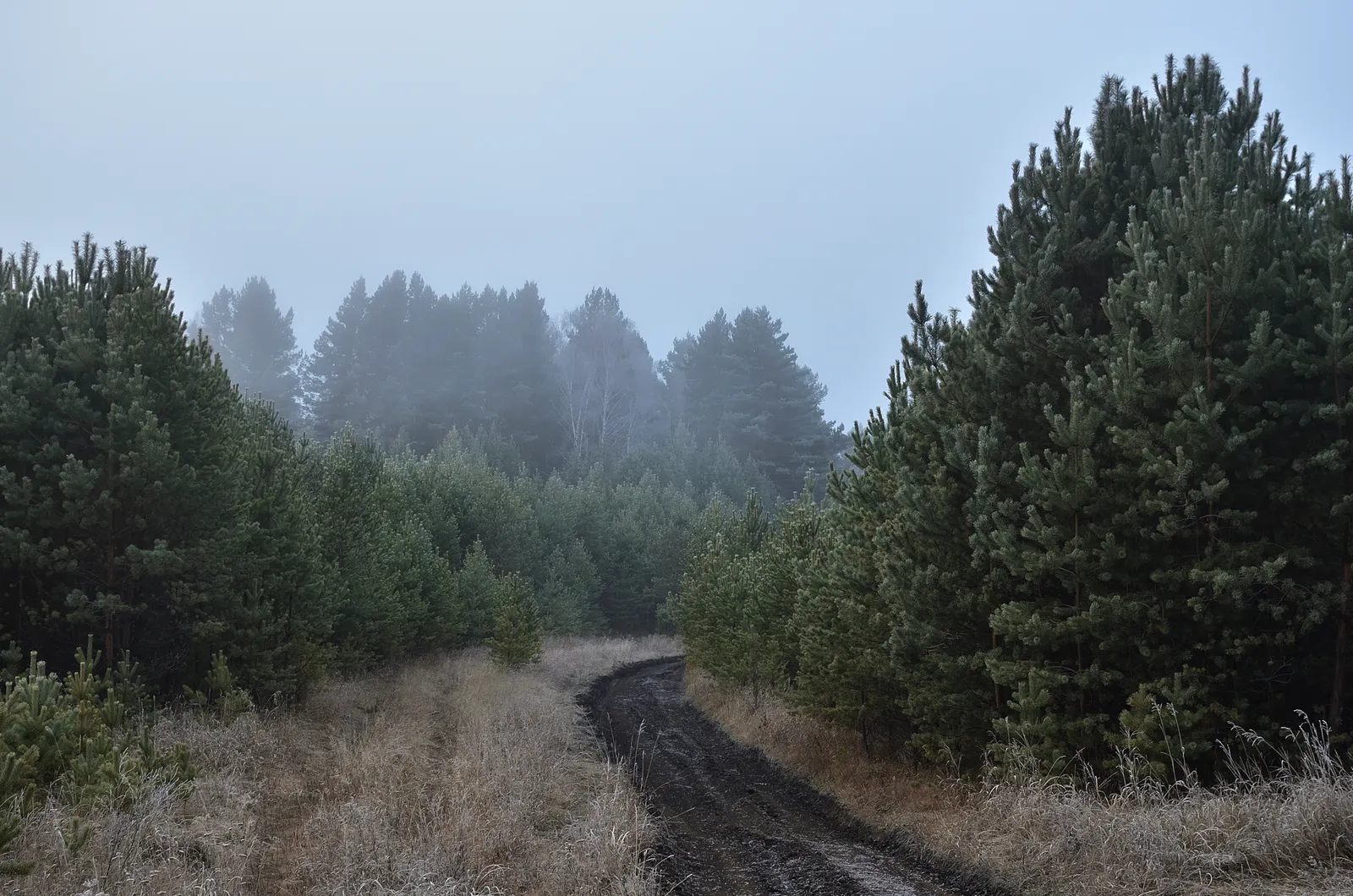
For years I waited for the fog to lift. I would stand at the kitchen window with my boots by the door, checking the hill across the valley, and if I couldn't see the top I'd make another coffee and tell myself the walk would be better later.
It usually wasn't. By the time the weather cleared, the light had gone flat and the paths were busy, and I'd spend the afternoon feeling I had missed something without knowing what.
One morning last November I didn't wait. The fog was so thick I could barely see the gate at the end of the lane. I went anyway, mostly out of stubbornness.
What I found surprised me. In fog, a walk becomes very small. You see ten metres of path, a wet fence post, a sheep that appears and disappears like a thought you can't hold onto. Your world shrinks to what is right in front of you, and that turns out to be plenty.
The fog doesn't lift. You walk up and out of it, and only then do you see how much of the valley it was hiding.
About forty minutes in, the path steepened and the air got brighter. Not clearer, exactly — brighter, as if someone had turned up a lamp behind a curtain. Then, between one step and the next, I was above it.
The whole valley was a white sea. The tops of the hills stood out of it like islands, and the sun was already warm on my face. Below, people were probably still standing at their windows, deciding it wasn't worth going out.
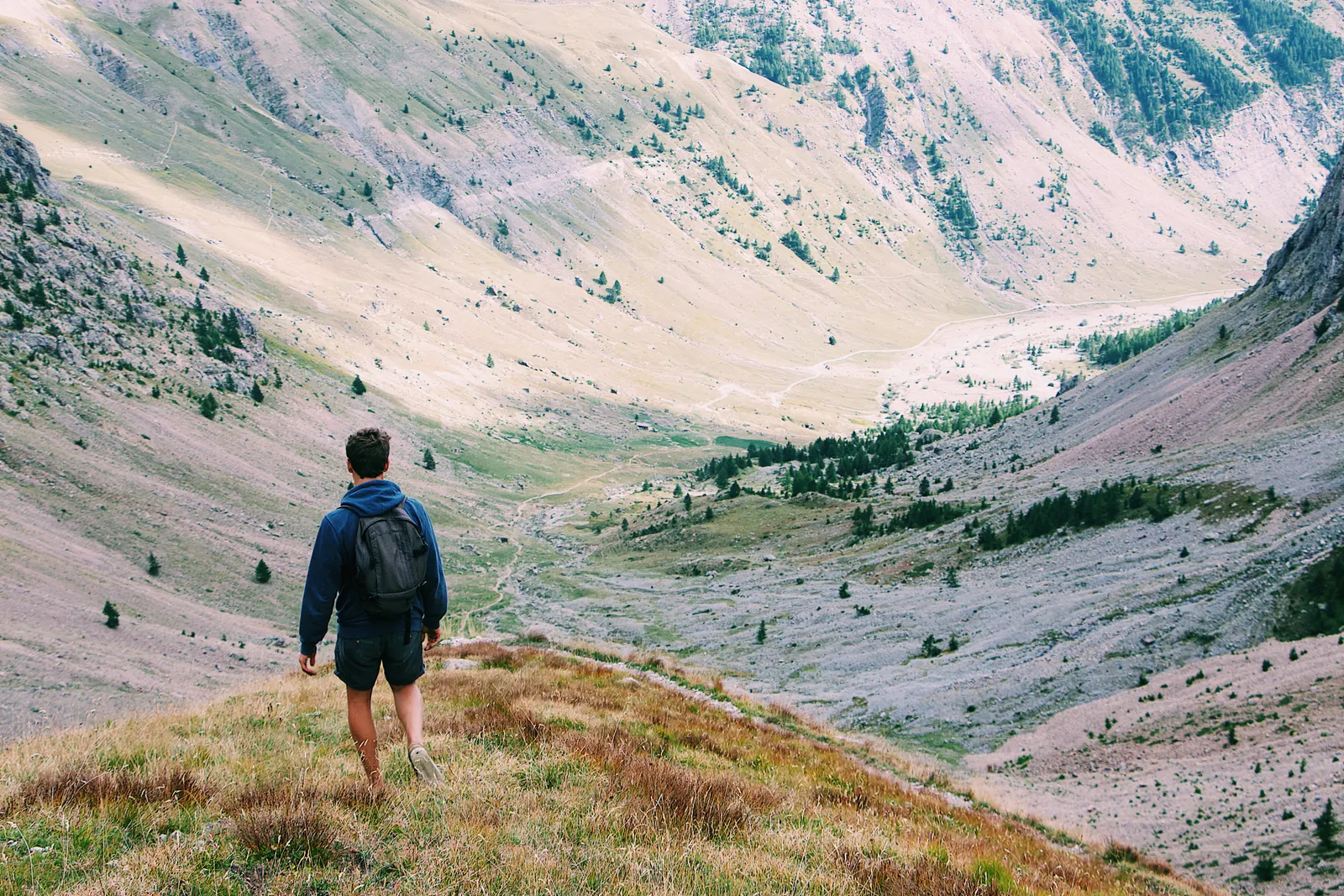
I've thought about that morning a lot since. Most of the things I've put off in my life, I put off because I was waiting for conditions to improve. Waiting for a clearer view of how they would turn out. But the view never cleared from where I was standing. It only cleared once I was partway up.
I'm not going to pretend a walk in the fog is a life lesson in a neat package. Some mornings the fog is just fog, and you come home wet and see nothing at all. But I go out now when it's thick. I've stopped checking the hill from the window.